
A Mechanical Rebirth
At its most fundamental level, a car electric conversion kit is a complete system of components designed to replace a vehicle’s internal combustion engine (ICE) with an electric powertrain. A comprehensive kit is more than just a motor; it is an integrated ecosystem comprising a high-voltage battery pack, a motor controller (the brain), a charging system, and the various mounts, adapters, and wiring required to make it all work in harmony with your car’s existing chassis.
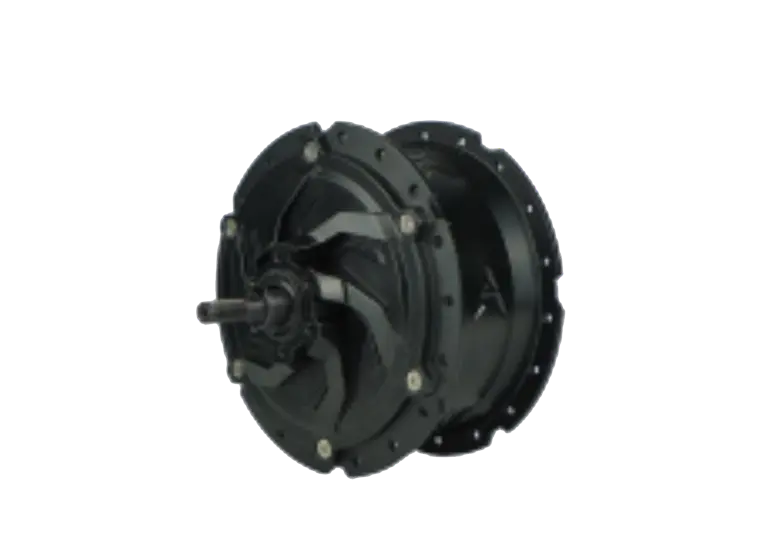
We must be clear from the outset: this is a significant engineering project. It demands mechanical skill, electrical knowledge, and a healthy budget. The process will fundamentally alter your vehicle, adding weight and changing its driving dynamics. Choosing the wrong components can lead to a project that is underpowered, has an impractical range, or in the worst case, is unsafe. The reward, however, for a well-executed conversion is the preservation of a beloved automobile, reborn with a silent, powerful, and reliable heart.
From Diesel Roar to Silent Torque
For my Defender project, I chose a curated component-based system centered around a well-regarded AC motor and a modular battery pack. The process can be broken down into three distinct phases.
Phase 1: The Deconstruction. This was the point of no return. Removing the heavy diesel engine, the gearbox, the fuel tank, the exhaust system, and the radiator felt like performing open-heart surgery. It left an enormous void in the engine bay, a blank canvas that was both exciting and daunting.
Phase 2: Fabrication and Installation. This is where the real skill lies. Unlike a simple bolt-on accessory, an EV conversion requires custom fabrication. I worked with a specialist to design and weld motor mounts and secure, waterproof battery boxes that would fit within the chassis rails. This stage is a testament to the old adage: measure twice, cut once. The physical placement of heavy components like the motor and batteries is critical to maintaining the vehicle’s balance and handling.
Phase 3: The Integration. Wiring the system was the final, meticulous frontier. Connecting the battery pack through the battery management system (BMS) to the controller, wiring the throttle, and integrating the new digital display into the classic dashboard was a lesson in patience. The first time the system powered on and the motor spun silently on the bench was a moment of pure triumph.
The first drive was surreal. The familiar, rugged feel of the Defender’s suspension was still there, but the diesel clatter was gone, replaced by a soft hum. The most startling difference was the instant torque. The vehicle, once ponderous, now accelerated with an urgency it never had before, all in near silence. The driving experience was cleaner, smoother, and paradoxically, felt more modern and more classic at the same time.
Advantages of the EV Conversion Path
- Preservation of Heritage: It allows you to keep a classic or sentimental vehicle on the road in a sustainable and reliable way.
- Enhanced Performance: The instant torque of an electric motor often results in acceleration that far surpasses the original engine.
- Drastically Reduced Maintenance: There are no oil changes, no spark plugs, no exhaust systems, and far fewer moving parts to fail.
- Unmatched Driving Experience: The silent operation and smooth power delivery create a unique and enjoyable way to interact with a classic car.
How to Select the Right Car Electric Conversion Kit
This is a decision that requires research and honest self-assessment.
- Vehicle Compatibility and Weight: The first question is always: can my car support this? The kit must be matched to your vehicle’s Gross Vehicle Weight Rating (GVWR). A motor suitable for a small sports car will be dangerously underpowered in a heavy truck.
- Your Performance Goals: What do you want to achieve? Relaxed city cruising requires less power and battery than sustained highway driving or performance applications. Define your desired range and top speed from the beginning.
- The Battery System: This is the most expensive and critical part of the conversion. Look for systems that use high-quality cells (LFP or NMC chemistries are common) and include a robust Battery Management System (BMS) for safety and longevity.
- Motor and Controller Quality: Your powertrain’s reliability depends on these components. Opt for proven, industrial-grade motors (like those from Hyper9 or NetGain) and controllers (from manufacturers like SME or Curtis) that have a track record in the EV conversion community.
- Total Project Cost and Required Skills: The kit price is just the beginning. Factor in the cost of tools, potential professional fabrication or electrical help, and necessary upgrades to your vehicle’s brakes and suspension to handle the new performance characteristics.
Recommended Approaches to Your Conversion Journey
I advise you to consider your path in this specific, prioritized order.
1. The Professional, Vehicle-Specific “Bolt-In” Kit
For those who own a popular classic car (like a classic VW Beetle, Porsche 911, or Land Rover), this is the most direct and reliable path. Companies have invested the engineering effort to create complete, integrated kits for these models. The motor mounts are pre-fabricated, the battery boxes are designed to fit, and the wiring is often simplified. While it is the most expensive option upfront, it removes the greatest number of variables and offers the highest probability of a successful, well-integrated outcome. This is the choice for peace of mind.
2. The Curated Component System from a Reputable Supplier
This is the middle path, and the one I chose. It involves working with a specialized EV conversion supplier to purchase a matched set of high-quality components: a motor, a controller, a charger, and a battery system that are all known to work well together. This approach offers more flexibility to convert a unique vehicle not supported by a bolt-in kit, but it requires significant DIY fabrication and problem-solving skills. It is the ideal choice for the skilled enthusiast who wants a high-quality result.
3. The Salvaged OEM Parts Route
This is the path for the expert-level builder. It involves sourcing a motor, inverter, and battery pack from a salvaged production EV, such as a Tesla or a Nissan Leaf. The potential for high performance at a lower component cost is significant. However, the complexity is immense. It requires reverse-engineering proprietary software, dealing with complex CAN bus communication networks, and navigating immense safety challenges. This is the highest-risk, highest-reward approach and should not be attempted without deep electrical and software expertise.
The conversion of my Defender was one of the most challenging and rewarding projects I have ever undertaken. It preserved a piece of my family’s past while equipping it for the future. An electric conversion is not a simple purchase; it is a journey that tests your skills, patience, and commitment, but the final result is a machine that is truly, uniquely yours.