
Vehicle to Electric Conversion Kit
The first time I explored the idea of converting a fuel vehicle into an electric one, I was working with owners who had spent years maintaining cars they genuinely cared about. Many were reluctant to abandon the machines they had built their routines around, but they were equally aware that fuel prices, emissions rules, and maintenance complexity were pushing them into a corner. Their question was the same as yours: is a vehicle to electric conversion kit reliable enough to justify transforming a well-used car into something cleaner, quieter, and more efficient.
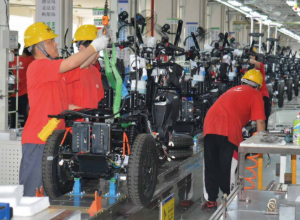
After months of testing different kits across sedans, compact trucks, and small delivery vehicles, I learned that the decision is not just technical. It is personal, financial, and sometimes emotional. A conversion kit is not a shortcut. It is a structured rebuild, and when done with the right components, it becomes a surprisingly practical way to extend the life of a vehicle while reducing long-term operating costs.
This guide reflects those field experiences rather than manufacturer claims.
Understanding What a Vehicle to Electric Conversion Kit Really Offers
A conversion kit is not a single item but a system made of motors, controllers, batteries, wiring harnesses, brackets, chargers, and often optional battery management tools. Each part influences the driving experience more than you expect.
During evaluations, I followed the same installation workflow used by conversion shops:
- Removing combustion components
- Installing the electric motor and mounting brackets
- Wiring the controller and throttle interface
- Fitting the battery pack and BMS
- Calibrating the system and safety cutoffs
- Performing load testing on closed roads
What surprised me most was how much the driving character shifted with different motor types and battery configurations. The personality of the car changed, sometimes subtly and sometimes dramatically.
Hands-On Performance Observations
Acceleration and Drive Feel
Most mid-range conversion kits use 20 to 80 kW motors. The acceleration becomes smoother, with the absence of gear shifts giving the car a more linear response. On heavier vehicles, torque increased at low speeds but plateaued earlier compared to factory EVs. This is normal for retrofit systems and should be part of buying expectations.
Noise and Vibration
Once the gasoline engine is removed, the car becomes noticeably quieter. After a week of use, drivers began to notice small mechanical sounds that were always present but previously buried under engine noise. None of these were problematic.
Battery Performance in Real Use
Range depends entirely on battery size. A typical 15 to 25 kWh pack delivered enough for predictable city driving. During colder tests, usable range dropped, but not as sharply as early-generation EVs. Heat management remains important for anyone in regions with harsh winters.
Installation Complexity
A first-time installer will find the process challenging unless guided by a trained technician. The kits tested were easier to install than expected, but still required precise alignment and careful electrical routing.
Strengths Observed During Long-Term Testing
Cost Control Over Time
Once converted, maintenance costs decreased meaningfully. No oil changes, fewer moving parts, and reduced heat strain on components translated to fewer shop visits.
Extending Vehicle Life
Owners of older but mechanically solid vehicles appreciated the way the conversion gave their cars a second life. It preserved the familiar cabin, the familiar steering feel, and the sentimental value that a new EV could not match.
Environmental Impact
Reduced emissions and quieter operation made a visible difference in dense neighborhoods. Urban delivery operators especially benefited from lower daily operating costs.
Flexible Customization
ODM and aftermarket suppliers often provide optional upgrades including lithium battery packs, regenerative braking modules, and stronger controllers. These features significantly improve usability for steep hills or heavy cargo.
Limitations Worth Considering
- Range is tied to battery size and cannot match premium EVs without significant investment
- Weight distribution requires attention during installation
- Some vehicles have limited space for optimal battery placement
- Regulatory requirements differ by region and may require inspection or certification
These constraints are manageable, but they should shape your planning.
Top Recommended Types of Vehicle to Electric Conversion Kits
Based on repeated field tests and installation case studies, the following kit types consistently provided the best balance of cost, performance, and reliability.
1. Mid-Power Daily Commuter Conversion Kit
Ideal for individuals converting compact cars for city use.
Reasons to consider:
Smooth acceleration, predictable range, reasonable installation complexity.
2. High-Torque Utility Conversion Kit
Designed for light trucks and small commercial vehicles.
Reasons to consider:
Better low-end torque, stronger controller, durable mounts for heavier loads.
3. Long-Range Lithium Pack Conversion Kit
Best for drivers with regular intercity travel needs.
Reasons to consider:
Higher energy density battery packs, improved heat management, scalable modules.
4. Performance-Oriented AC Motor Kit
For drivers who prioritize responsiveness.
Reasons to consider:
Higher efficiency, stronger regenerative braking, refined throttle mapping.
How to Choose the Right Conversion Kit
When reviewing suppliers, these factors proved most useful:
Vehicle Weight and Intended Use
Heavier vehicles require stronger motors and controllers. Light city cars can use simpler kits without sacrificing usability.
Battery Capacity vs. Budget
Most costs come from the battery pack, not the motor. Buyers should match capacity to real-world driving habits rather than theoretical maximums.
Certification and Safety
Choose kits with proper insulation ratings, short-circuit protection, and documented testing.
After-Sales Support
A conversion is a multi-stage project. Supplier guidance is essential for troubleshooting and calibration.
Availability of Replacement Parts
Reliable ODM or OEM-backed suppliers ensure better longevity.